

Valerie Lemke has no problem with shoes…or, for that matter, any of the goods that are sold under the “Buy One, Give One” model of social entrepreneurship.
“There’s a lot of beautiful things that come from shoes,” she says. “But how do you give people opportunities to support their family? To go to school, to go to college in the future? Instead of ‘Buy a Shot, Give a Shot,’ how do you build a hospital? How do you give people real sustainable change?” Valerie asks.
“The ‘Buy One, Give One’ model is really hot right now,” she says. “I really want to change it. As opposed to giving a hand-out I want to give a hand-up.”
Valerie doesn’t claim to be an expert in business entrepreneurship. She does have a lot of experience with start-ups, but it was always oriented toward activism and altruism — supporting homeless shelters in her hometown, starting a soccer program for school kids in Africa.
But after getting her masters in nonprofit administration, she found that the donation model wasn’t the best way to help people the way she wanted to. In nonprofit work, she says, “You have to build up relationships for years at a time. You’re always relying on them.”
And then, of course, there’s donor fatigue, the dreaded bane of charitable organizations.
“I was thinking about how to build a business that was sustainable.”
That was the inception of Jjangde, Valerie’s collaboration with West African craftswomen to bring handmade woven baskets to laundry rooms, farmers markets and hall closets across North America. The profits go directly back to the community where the baskets are made; they pay for the supplies, upkeep and salaries of rural schools.
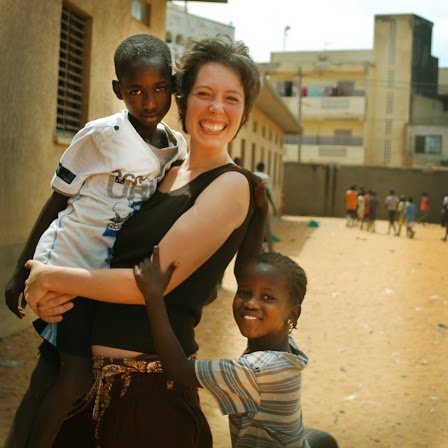
For someone who started a business with zero investor money and no “official” business experience, Valerie speaks with a surprising degree of serenity. She’s seen Jjangde grow from a passionate grassroots campaign into a thriving enterprise with partnerships in major cities that support an ever-growing number of kids in school and summer programs. Here are a few things she’s learned, along the way:
1) Always Be in Learning Mode
Sure, other people get degrees in marketing, website management, graphic design, and then go look for a company to hire them. But you as a solo entrepreneur can become an expert in all those things–at least, in using them the best way possible for your business.
“If you say ‘I can’t do marketing,’ learn how to do it. Google it. Become an expert at it. Find a volunteer who can teach you.”
The DIY approach isn’t just about saving the startup money you don’t have. “No one,” Valerie assures me, “is going to be as passionate as you are, or put in the 100-hour weeks that you will.” Other people, no matter how talented, need creative direction and management to stay on task. In the early days of your business, it’s actually more efficient to learn how to do things yourself.
There are a couple of long-run advantages, as well. Learning new skills for your business sparks new ideas for growth. And when you grow to the point that you have the money to hire somebody, you’ll know exactly what you want them to do.
2) Get Personal
If you want to convey to people why something is worth their time and attention, you tell them why it’s important…right?
In fact, Valerie has found that universal, objective messaging — “This is the right thing to do” or “Here’s why everyone should be buying/doing/supporting this” —doesn’t really work.
What does work, she says, is keeping the message personal. Why are you giving your time and effort to supporting this cause, making this product or doing this activity?
The result, she says, is that all-important end goal in marketing: connection.
“Telling people why it’s meaningful for you makes people think about why it’s meaningful for them,” she says. “It makes people trust you.”
3) Don’t Be Alone
The social entrepreneur scene lends itself to charismatic figureheads. The end result can become almost a parody of itself — the good that they are doing is swallowed up in the personality of the company founder.
Valerie isn’t interested in becoming a figurehead. Jjangde, she says, is a business community that she is helping to grow, not one that she is running solo.
And she’s grateful for that.
“The biggest lesson I’ve learned,” says Valerie, “is that you can’t do it alone.”
That’s also, she’s found, been the biggest struggle. No matter how great the product, or how attractively it’s presented, it’s not always true that if you build it, they will come.
“Even if you have the most beautiful website in the world, the hardest thing is to get people to visit it.” She laughs. “Of course your mom will come. But it’s hard. Writing cold emails, allowing yourself to fail. It’s a lot of pushing through.”
—
View Jjangde’s beautiful handmade goods here.
Follow Valerie’s blog for business-building insights and great stories about the journey of Jjangde.


